Eunki as a Researcher
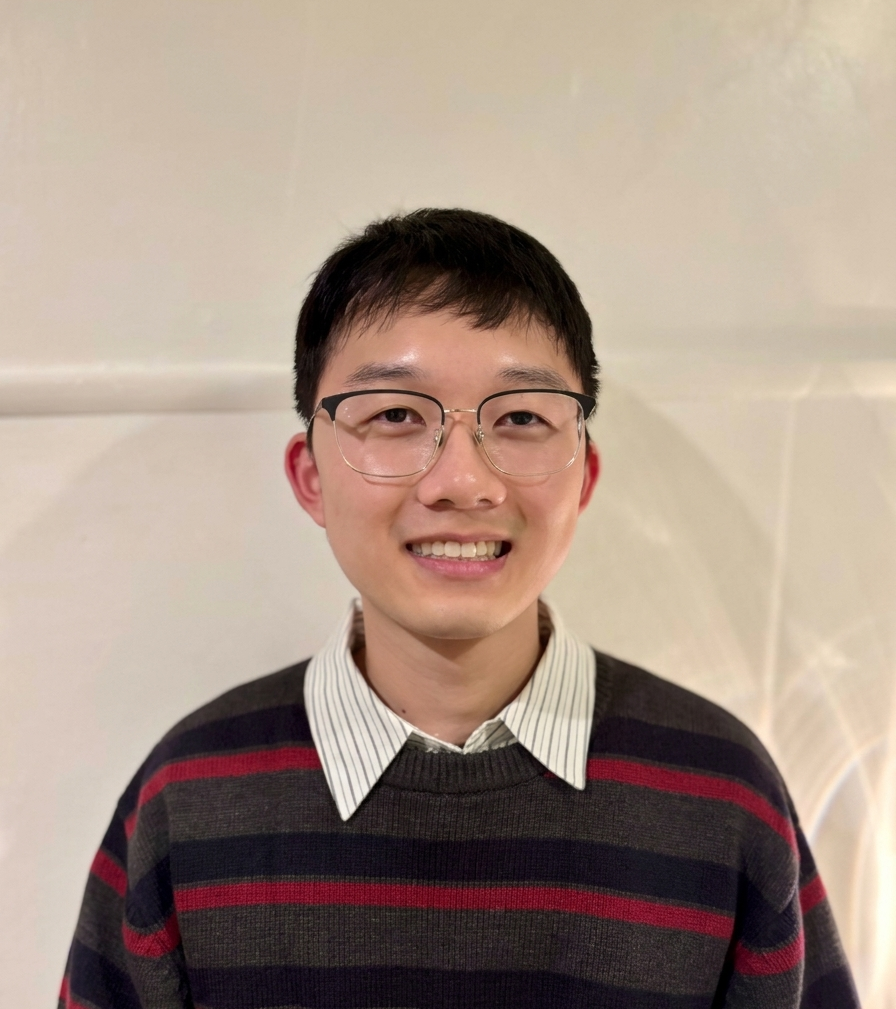
Hi, I am
Eunki Joung. I am a researcher working across Human-Computer Interaction (HCI) and Computer-Supported Cooperative Work (CSCW).
I was advised by Prof. Uichin Lee at the Interactive Computing Lab, KAIST, where I received an M.S. and B.S. in Computer Science. I am now applying for PhD programs (Fall 2027).
Please see my CV and projects.
My research aims to understand existing and build new sociotechnical systems for formal and informal care practices. I am interested in the following broad questions:
- Whose voices are invisible?
- How are the existing sociotechnical systems configured with such invisibility?
- What should those sociotechnical systems look like, and how can we build them?
I critically studied Care Fish, a technology probe of an AI scribe for social work document automation, discussing how it may reinforce an epistemic hierarchy that undervalues street-level discretion. I designed and studied Robotic Counseling Center, a dedicated room with a counseling robot, discussing its potential as an active listener and how it is situated in the campus-wide mental healthcare infrastructure.
My work has been presented at ACM CSCW and in workshops at ACM CHI and ACM CSCW.
I served on the Student & Minority Human Rights Committee of the Undergraduate Student Council and worked as a trained peer counselor at KAIST.
Some readings that have influenced my research journey
- Stigma: Notes on the Management of Spoiled Identity, Erving Goffman
Marginalization embedded in social interactions
- Human, Place, Hospitality, Hyun Kyung Kim
Imagining ‘absolute hospitality,’ based on Goffman’s analysis.
- Poverty as Process: The Arrangement of Poverty and the Anthropology of the Vulnerable Lives, Mun Young Jo
My favorite ethnography about poverty in South Korea and China
- The Social Life of Small Urban Spaces, William H. Whyte
How placemaking can enact alternative social interactions
- When Species Meet, Donna J. Haraway
Cum panis, or the multispecies (humans, robots, and other critters) who care for each other
- Momo, Michael Ende
Listening and alternative temporalities (my note)
- Ways of Seeing, John Berger
Seeing is placemaking